Be a good neighbor

shelving

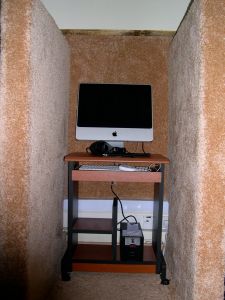
This photograph might not look like much, but it depicts some of the results of a beautiful collaborative endeavor.  It’s completely unclear at this point where and when the main collaborators will be recognized.  I want to use this forum, small as it may currently be, to publicly recognize those people.

Two years ago, while I was on a three-month stint in Uganda for language training and preliminary dissertation research, I met a colleague named Suzanne Wint.  She was in Uganda on a Fulbright-Hays Doctoral Dissertation Fellowship.  From the first day we met, I noticed that Suzanne reaches out to colleagues across disciplines to engage in scholarly discourse and undertake interesting projects.  On previous trips to Uganda, she had met Drs. Justinian Tamusuza and Sylvia Nannyonga-Tamusuza, both professors of music at Makerere University’s Department of Music, Dance and Drama (MDD) here in Kampala.  Both Suzanne and I had met some of their best students, no fewer than three of whom are now pursuing terminal degrees in music.  She noticed, however, that preparing these students for graduate programs had been unnecessarily difficult.  These fine professors had been lending from their personal libraries so that eager students could work with essential literature.  The main library has a negligible music collection, and at the time MDD had virtually no collection of its own.

Suzanne paired her status as a Fulbright-Hays Scholar with her network of colleagues at the University of Chicago to build a music collection for MDD.  She had hundreds of pounds of books sent to Uganda to build the initial collection.  Meanwhile, Dr. Jane Clendinning, Professor of Music Theory at Florida State University, came to Uganda that summer for a short visit.  She and I both saw what Suzanne was doing and decided that we had to find a way to help.  When I got back to Florida State after that summer, I linked up with Dr. Clendinning and we used our departmental listservs to request that our colleagues donate their desk copies of textbooks and as many monographs as possible.  We received an overwhelming response, and Dr. Clendinning paid out of pocket to ship books from Florida State.

Now Dr. Nannyonga-Tamusuza had been receiving books from another professor from Pittsburgh University for some time.  Now there are three separate universities concentrating their efforts on building this collection.  On the Ugandan side, Dr. Nannyonga-Tamusuza has been very busy ensuring that these books have a secure home.  The new MDD reading room features locked shelving, a large table for reading and small seminars, and some more efficient shelving for instrument storage.  I’ve had the privilege of visiting that space on several occasions already, and it’s wonderful to see students there using the materials and enjoying a quiet space to study.

What you see in the photograph above is only the beginning of these efforts.  Dr. Nannyonga-Tamusuza has worked with the main Makerere library, the American Embassy and two Norwegian grant makers to build a new listening lab.
walkinview2completestation1

Dr. Clendinning is currently organizing several more boxes of donations from Florida State students and professors.  Now that the reading room has been stocked with basic texts for undergraduate curricula, I hope to work with Suzanne and other American colleagues to secure continuing donations of monographs and biographies for historical and ethnomusicological research.  Meanwhile, scholars working on music in Uganda know that their theses and dissertations will have a home at MDD, where we hope that students will read and critique them as we continue to foster discourse and interaction among American and Ugandan music scholars.

Suzanne really taught me a great deal about overseas field research during that first summer in Kampala.  Whereas an old paradigm in anthropological and ethnomusicological research used “informant gifts” and even direct payment, these methods seem to pay our field consultants to be silent after we return home and write up.  This is the worst kind of field exit.  Being nice to consultants, buying gifts and paying for transport is still important.  Paying transcription assistants an honest day’s wage is still an honorable and necessary protocol.  However, Suzanne’s dedication to this project reflects a spirit of fully engaging local scholars and field consultants in intellectual discourse.

Our work will be richer for this kind of interaction, but that’s not even the best reason to do it.  Now there’s a whole new generation of African ethnomusicologists who will make meaningful contributions to the field.  Working to ensure their access to resources isn’t a way to “pay” people.  Trite as it may sound, being a good neighbor just makes the world a better place.

Can’t wait to see an offering from this generation of African ethnomusicologists?  Here’s a preview.  Artist feature coming soon . . .

2 Comments

Filed under Uncategorized

November: Munsenene

ensenenenebinyeebwa
It’s November here in Kampala, and that means two things: it rains every day around the same time, so it’s a bit like Tallahassee in August with slightly less humidity; and Grasshoppers are in season.  In fact, the name for November in Luganda, Munsenene, comes from the name for the grasshopper, ensenene.

On the first night of the month I find myself at a local bar with a friend who has invited me to dinner at his house.  Confused?  I am too, at first.  When I arrive at his house, he has to run a quick errand and he invites me to come along. I’ve known the guy for a while so I play along.  He drops some cash with another guy outside the gate of his compound, explaining to me that this guy has just moved a piano for him.  (Is that all?  Just picked it up, huh?)  With the “errand” out of the way, my friend says to me, “Well, dinner’s not ready yet.  Let’s take a walk.”  He likes beer, so I can kind of see where this is going.  Although it’s still unorthodox, his wife is out of town, so maybe he’s not hanging around the house to have a drink with her before dinner.  With his daughter back home working away in the kitchen, I suppose it’s time for the mouse to play.

Sure enough, we turn a corner and three or four buddies greet him.  They’re sitting at a local pub, which is a small cement patio with plastic chairs outside an even smaller cement shelter containing a few refrigerators.  We all exchange greetings, my friend feeling proud to show off the mugenyi (guest) who can sling a bit of Luganda.  We have a beer, catch up a bit, and chat with the guys at the pub.

We’re both relaxing into the beautiful evening a bit when my friend orders a second round and two young men sit down to his left.  He introduces me as Kigozi to these guys, which is my cue to greet them properly mu Luganda.  The one particularly boisterous guy finishes greeting me and then says, “Mmanyi Kigozi! Yeddira Ffumbe, era Neddira Ffumbe.”  (roughly: “I know Kigozi—we’re clan mates!”).  Not only do we share a totem, but it turns out that the person who arranged for my naming is this guy’s biological uncle.  I suddenly recognize him from a large family gathering in 2006.  Don’t ask me how, but in a city of a million plus people, this kind of thing happens every day.

Muganda wange!” (my brother—cousins call each other brothers and sisters, and he would even call my “father” taata like me)  He orders a beer and something else, though by this time the whole group of men is too excited about an interesting connection in their sphere for me to notice what it is.  When the barkeep brings his beer, she lays out some plates on the small tables and spoons up something I’ve only ever seen in plastic bags at the market: ensenene.  Naturally, they ask the conspicuous mzungu if I’ve ever tried them.  Nope, but I’ll try anything once. To my delight, ensenene taste like shrimp, so I snag a handful.  They’re salty and slightly spicy from the piri-piri (spicy powder)–perfect with a cold beer!

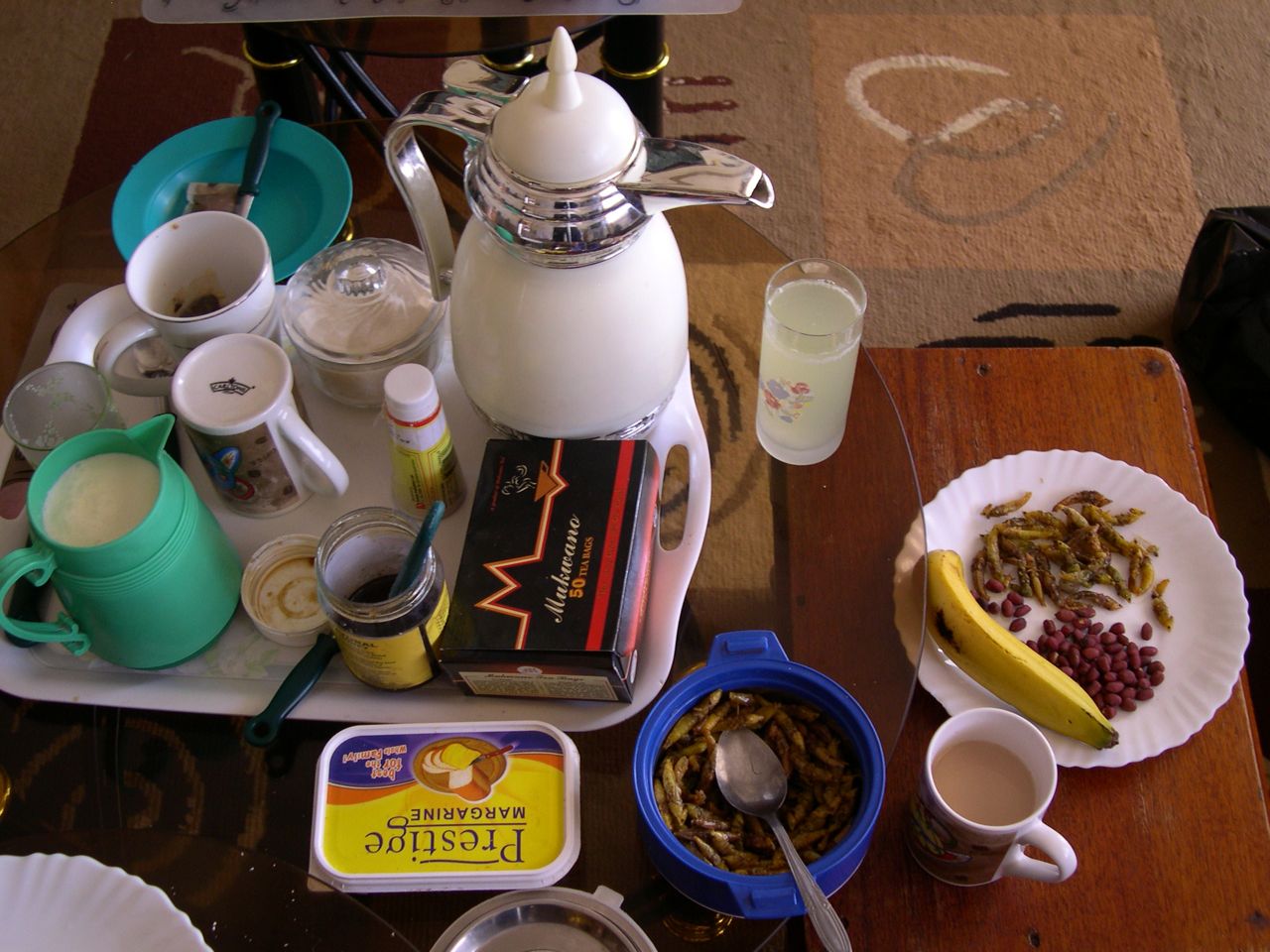
That night I get back home and everyone there is stoked up that I’ve had a chance to try some ensenene.  Perhaps a bit disappointed that they weren’t the first to serve me the seasonal delicacy, they wake me up the next morning with this:

ekyenkya

“For breakfast?” I ask my host family.

“Oh yeah. Anytime!” they say practically in unison.

enseneneclose
Hmmm . . . a lot more appetizing in the dark.  Still, I don’t exactly eat peanuts for breakfast in the states either.  It turns out they’re as tasty with caayi (African milk tea) as they are with beer. Variety is the spice of life, right?

4 Comments

Filed under uganda

Ekyoto: Stories Around the Fire

Part of Taata‘s (Dad/Mr. Magoba) job at CBS is to host a vernacular radio program called Ekyoto.  It’s a folklore program that’s fairly popular within Buganda.

102508-7

He tries to cater to a family audience with some fun games for kids and some really interesting language games that are fun for all ages.  He was kind enough to invite me to the program several times during my last visit.  The day after I arrived in town, he hosted me on the program to witness the dramatic stylings of several students from Makerere University.

They enjoyed musical collaborations with students from Makerere’s Department of Music, Dance, and Drama.102508-5

Magoba writes the radio plays himself, and the games and songs come along between plays and commercials.  The adverts you see on the wall are for Entanda ya Buganda, which is a periodical published by CBS and printed by New Vision.  Mr. Magoba is a major contributor and he supervises the marketing of the mag as well.  There are also two students from the Uganda Martyrs’ Primary School there on the left.

102508-3

Ekyoto is always fun, so I hope to be on the program again.  Many times the guests are school music programs that have done well in the national school music competition cycle.  Really good kids, amazingly long attention spans, and fantastic music…maybe I’ll try to include a sound clip next time!

4 Comments

Filed under uganda

Road to Uganda: Good Friends and Good Food

Dubai was wonderful for all of twenty hours, where I enjoyed the hospitality of a couple of fellow Luther College alumni. Thanks for a soulful stay, Adam and Allison! They took me to this swanky beach bar to stretch my legs from the long plane ride and drink a beer:

What can I say about Dubai?  It’s the next big thing on this side of the globe, and it’s getting bigger every day.

Despite the lack of sleep resulting from three days of on-again-off-again travel, the African landscape had me feeling really good as soon as we departed from the airport.

Thanks!  Think I’ll stay a while…My ssenga (father’s sister*) picked me up from the airport.  She’s a nun who works at a school in Entebbe.  She took me back to the convent, gave me a much-needed place to bathe, and fed me a delicious first taste of Ugandan deliciousness: ekyenyanja.  Yum.

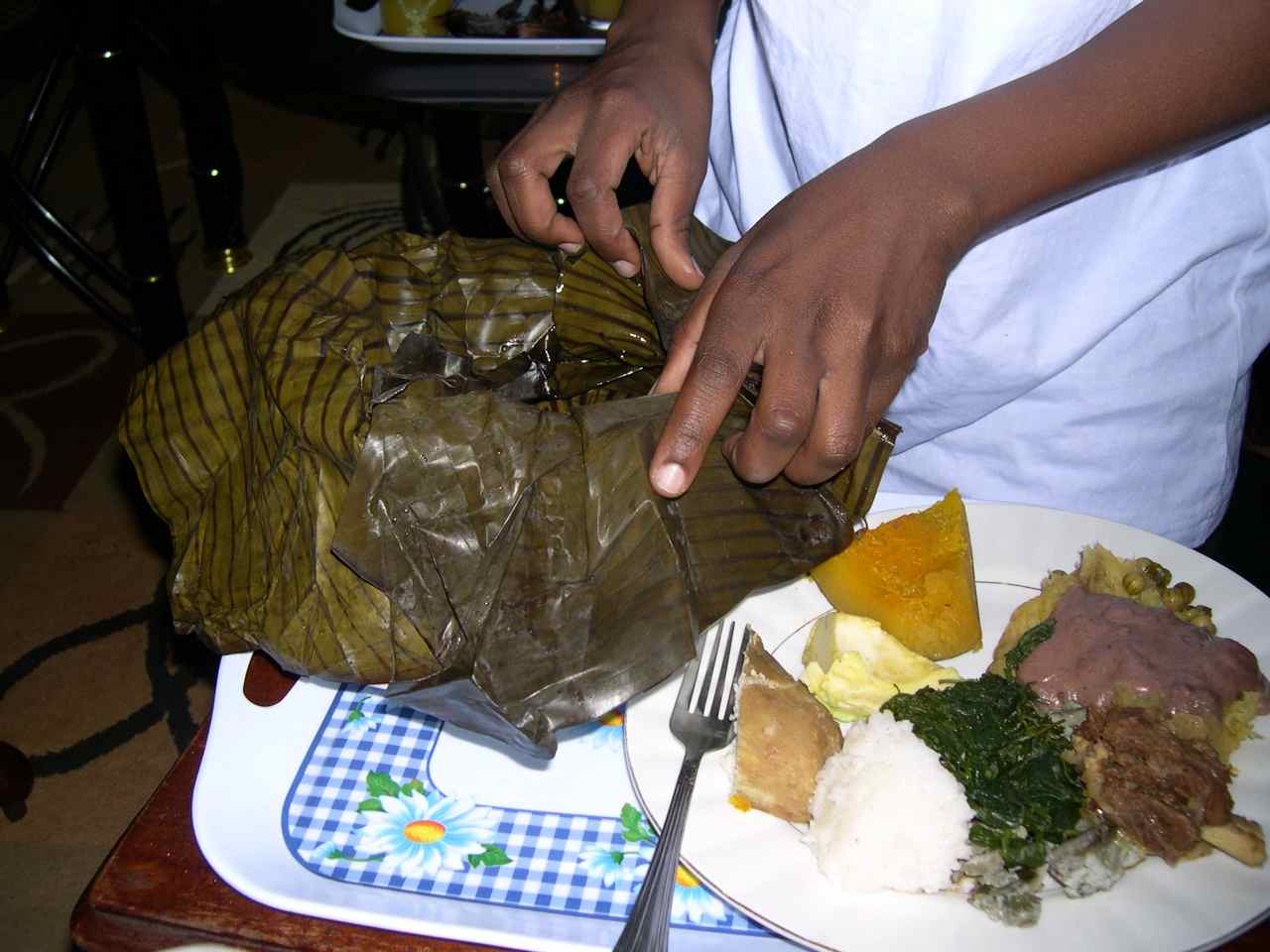
Ssenga Nakato (Auntie Nakato) and I then drove toward Kampala to meet up with Taata wange (my [Ugandan] Dad], Mwami Magoba Waalabyeeki.  We picked him up from his job at CBS, which is the Central Broadcasting Service, Buganda kingdom’s main outlet for Luganda vernacular news and entertainment in both broadcast and print media.  By the time we got back to Mwami Magoba’s place, it was about 9:15 or 9:30: time for supper!  Warm greetings preceded a feast prepared by the gracious Ugandan host family I have come to love.  They prepared a very special luwombo.

Luwombo is the thing on the left there.  On the right, there’s matooke (banana mash) with binyeebwa (peanut sauce), squash, rice, posho, greens, potatoes, etc. Luwombo is like a little crockpot made of banana leaves.

In this shot, mwannyinaze (sister/cousin) Anna ajjula–she’s uncovering the luwombo:

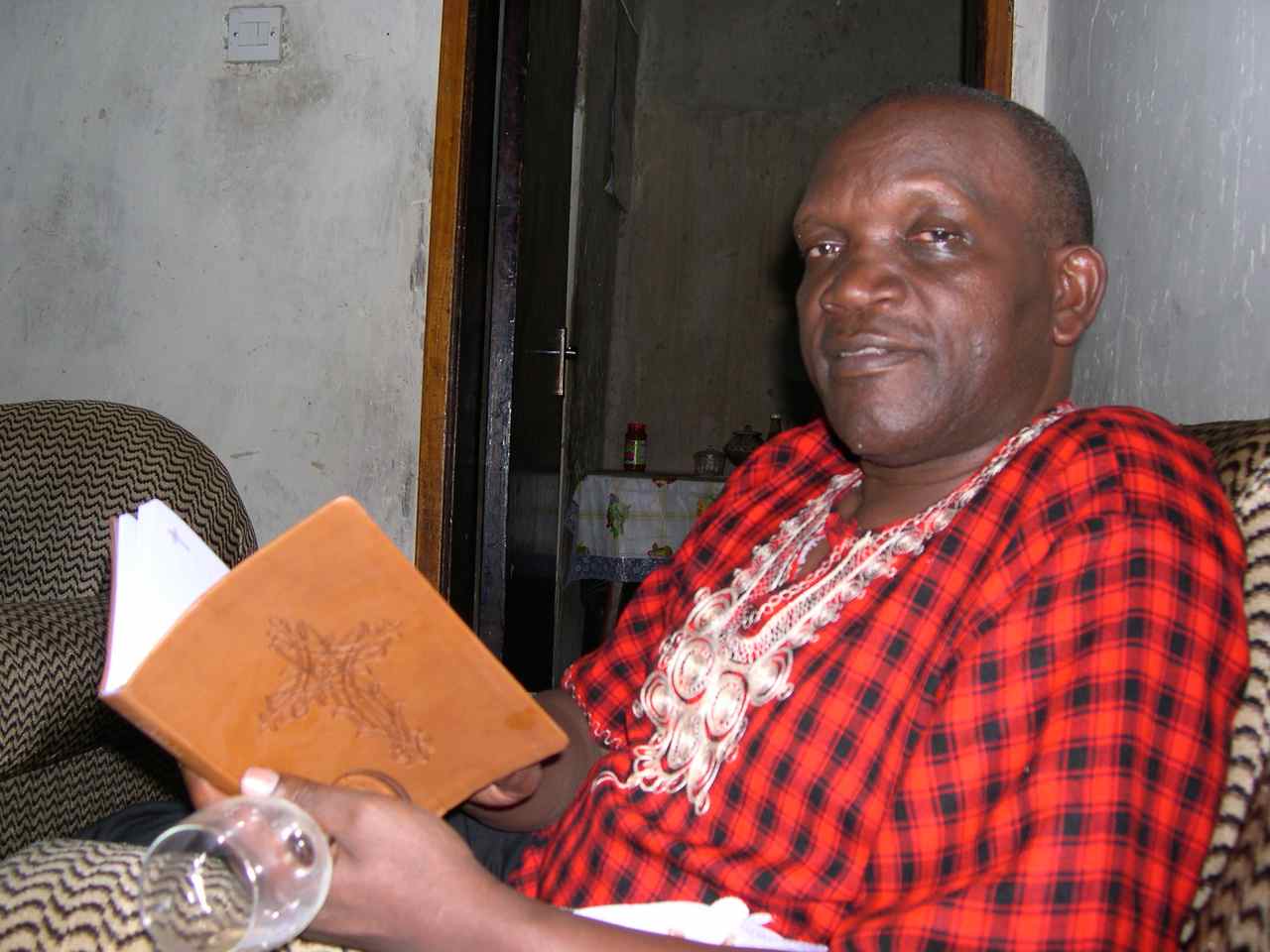
I gave Mwami ne Mukyala Magoba (Mr. and Mrs. Magoba) some small gifts after dinner.  Mr. Magoba is a writer, so he got this book for jotting ideas:

Jenn was kind enough to get a gift together for Mrs. Magoba. Here she is in her new necklace:

For the others, I had to find something light weight that would go over well with the whole clan (literally).  They enjoyed some fresh dates from Dubai.  Dad, if you’re reading this, remind me to get you some on the way back through there:

Finally, I must thank Settimba Charles Lwanga (pictured here sporting his daily sleeveless swagger).  He’s the household-appointed “Ghetto Prezident.”  There’s an artist here called Bobbi Wine who has dubbed himself in similar fashion, but I doubt his good humor and hospitality can compare with that of Settimba and the rest of the Ffumbe clan.

*Nota bene: Throughout this blog, I use Kiganda terms for kinship to refer to those who have made me part of their family here. This helps me keep track of kin relationships and how they work in Uganda. For you, dear readers, I will try to use the English terms in parentheses as I have here.

10 Comments

Filed under Uncategorized

Quiet Ironies en route to Africa

Today this blog takes a different turn.  If you missed the first installment of Kigozi’s adventures in Africa, I hope you can join the fun here and refer to it as necessary for background information.  If you’re returning with interest in my travels, thanks for reading and please don’t hesitate to comment, challenge, contradict, argue with, encourage, or make fun of me.  I welcome your reactions.

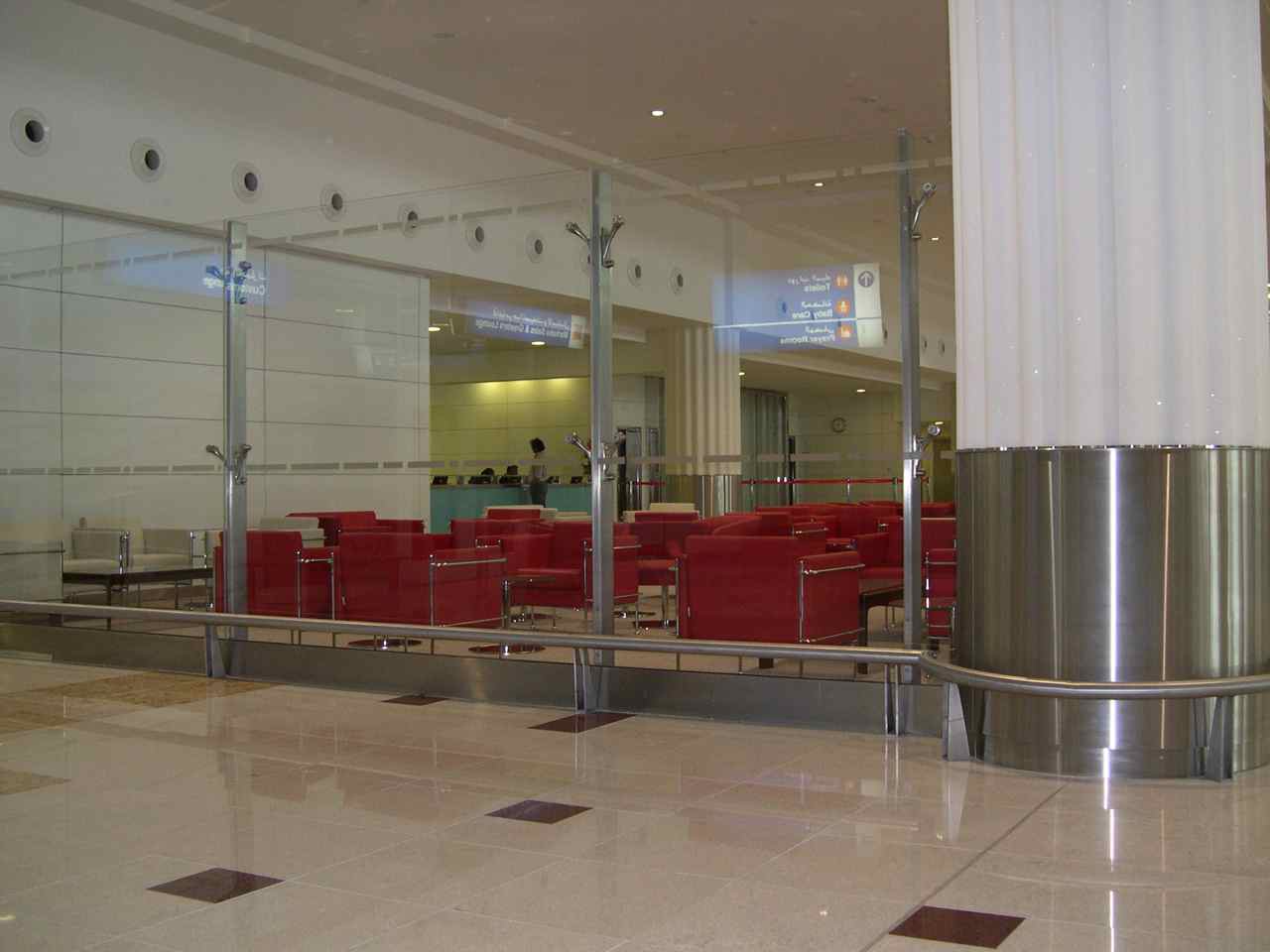
I’m taking a break from academic work for a bit to smile at some of the quiet ironies that make us forget the mundane indignities of travel.  Observe: the “first class” and “business class” lounge:

Wow, isn’t that great? Mr. International Business Traveler will think: “Nice chairs, very quiet and comfortable…Emirates Airlines sure did build a nice terminal. But hey, wait a minute! Aren’t those chairs right over there that look just as comfortable for the schmucks in economy class? Where’s my smug sense of bourgeois satisfaction?”

Well, it’s probably upstairs somewhere swimming in a glass of overpriced booze that has a nice view of the Burger Falafel King next to it. Maybe you can even see us mere mortals enjoying some of the same high-speed internet that you’re using to work for Big Brother.

Note here that were it not for the fully reclining seats, I would never throw such thinly veiled jealous quips toward the traveling elite.  All the same, this is a pretty cool airport whether you’re rockin’ a Rolex cell phone or not.

I hope you’ll stick with me for some more exciting images of Dubai and later Uganda. I’ll even promise not to engage in such blatantly futile class warfare. Truth be told, Emirates has the coolest in-flight entertainment system I’ve ever seen, and this airport’s cold slickness betrays the otherwise friendly demeanor of its staff.

Until next time…

1 Comment

Filed under Uncategorized

Biden Balks While Palin Performs

Sarah Palin gave the performance of her career during this evening’s Vice Presidential debate.  Right from her initial “Can I call ya Joe?” she disarmed an initially cocky Biden, who took the first twenty minutes of the evening getting his balance to get off the defensive.  But even his easy smile and his tendency toward verbosity could not overcome this disciplined Senator.

If you’ll excuse the punny heteronym, Biden let some of Palin’s more offensive tactics slide.  Maybe he thought a tougher approach would have been tantamount to picking on the slow kid in class.  Tonight, however, Palin turned ditzy into dazzling with her newest talent show feature: “I can debate, too!”  That was just the problem.  She did all of the things a high school debate coach would tell her to do.  She broke the third wall, looking directly over the moderator to both the live and television audiences (the people in their living rooms on mainstreet, as she would have it).  Biden’s *aw, shucks* charm and toothy grin as he prepared rebuttal notes languished too long into this own remarks for the first part of the debate.

This blog is about art of all kinds, and if this campaign was about performance artists, Palin would have won tonight.  But wait . . . what about the issues?  Her well-rehearsed mantras about a “country first maverick” only went so far before Biden’s rebuttal demanded something more substantive.  Where he subtly challenged her on the issues, she consistently changed the subject or missed the subtlety entirely.

Diamond Joe came into this debate all-too-confident that he could first do no harm.  Mainstream punditry painted this tonight as a loss for the Senator on the grounds that confidence blinded him to how well-prepared Palin’s offense was.  Palin may have saved face by recovering from a disastrous CBS interview, but a good performance could not hide the vacuity of her thoughts on the issues.  An Alaskan lemming might make a pleasing Veep candidate for McMaverick, but she won’t do for thinking Americans.

9 Comments

Filed under reviews

The Art of Home

It’s been quite some time since I last posted, and this entry will shed some light on why.  Between working  and preparing for field research, I haven’t had time to do much else.  During the rarest of free moments, I’ve been spending time at home with Jenn.  Now, these activities might be susceptible to a bit of ridicule from Christian Lander, but hey, we are who we are.

We don’t really watch much television.  We generally prefer to hand pick from the finer entertainment options available on Netflix.  Yes, yes, we dig The Wire.  We dug the Sopranos, too.  It’s not because the hyper-macho foulmouthed dialogue makes us feel more edgy or something (though at times that’s entertaining in its own crass way) or even because the stories are that great (though humanizing junkies and gangsters offers big dramatic payoffs).  No, it’s really more about time, mutual proximity, and snuggling the pup.

Here’s the thing: we prefer chill time in an environment with some style.  We entertain often and we don’t go out all that much, so whether it’s dinner, dance party, or some other random diversion, it’s got to reflect a contemporary eclecticism.  Jenn and I moved into our place a few months ago, and we started decorating almost immediately by painting four of the rooms.  One of our first art hanging projects was to create a salon wall in the front room.

It’s an ongoing project that will accommodate new pieces and rotating items as we have time and space to shift things around.

Early in August, Jenn completed a painting project on a large heirloom mirror to really tie our central hallway together.  I had never hung a piece this large, so that was pretty interesting, but I got by with a little help from a curator friend.  As with many large frames, the wire causes this mirror to lean into the room slightly at the top.  That works out great as a quasi full length mirror directly between bathroom and bedroom.

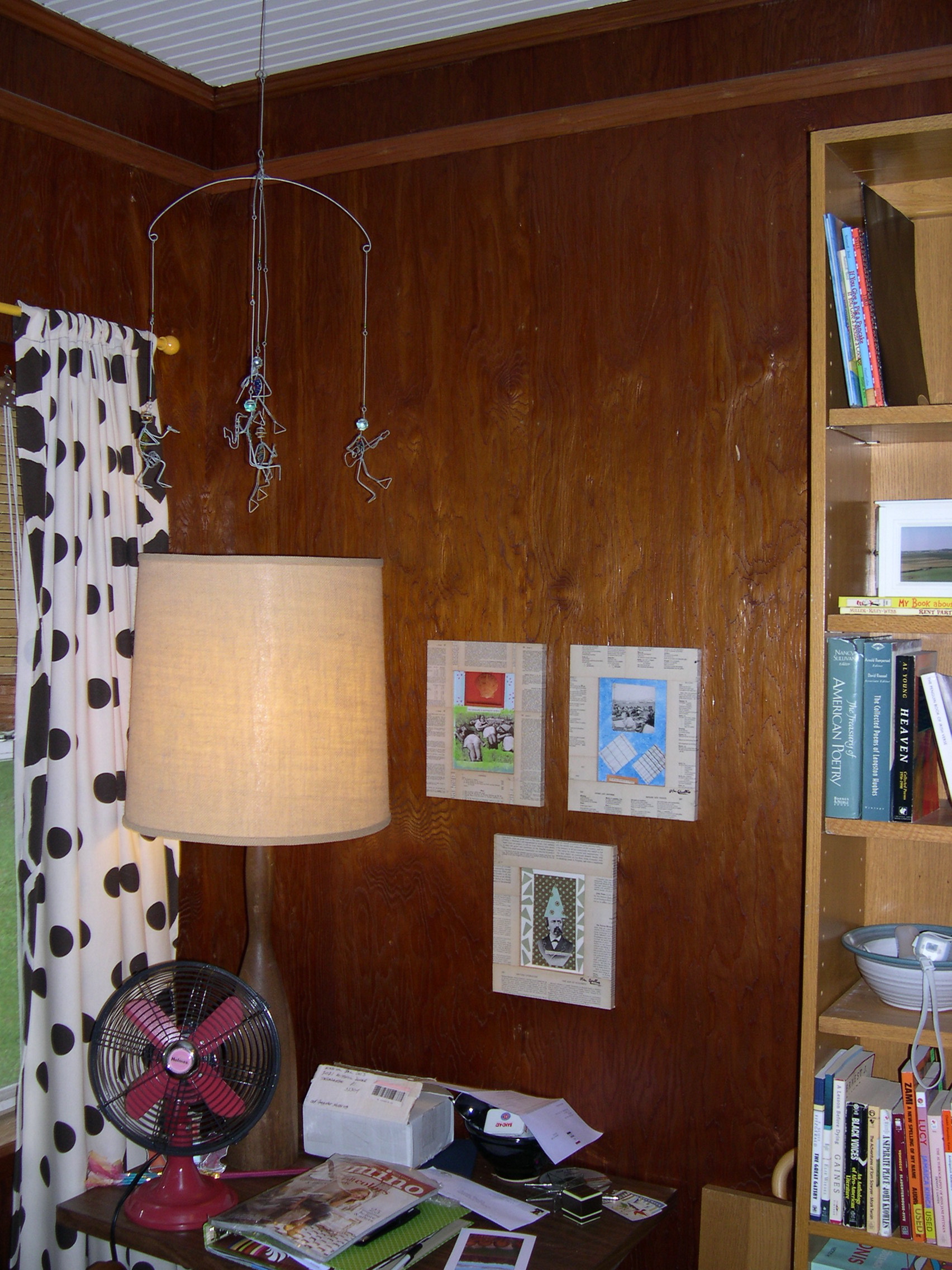
One of John Wilson‘s originals from the robot/monkey collection adorns another wall in the same room.  He’s a badass.  We procured a trio of originals from another artist friend over the past year, too.  Olan Quattro, we miss you!  Your witty, francophile collage pieces adorn the wall in our den.

Those curtains in the corner are the latest addition.  As a gift for our fifth anniversary, my mother solicited suggestions from Jenn, designed these curtains, and made them for us.  We just got them up last weekend, and we’re really enjoying them.  Check ’em out behind our superhip extra-long-even-accommodates-pete-for-a-nap vintage couch:

All of this makes for multiple awesome places to read, study, listen, click, converse, chill, snuggle, eat, danceparty, or hold a woodwind quintet rehearsal.  More on that later.  Believe it or not, the pix for that rehearsal were taken on a 35mm, so I have to get the film developed.  Technological dinosaur lovers: holla!

3 Comments

Filed under Uncategorized

Steppin’ Out With the Classics

My wife and I are doing some things that I’ve wanted to get into for a long time: checking out classic movies and literature.  You might say that we’ve had classic taste in other arenas for a long time.  We both grew up playing and listening to jazz, appreciating classical music, and I even sang some opera scenes in college.  We both stick to non-trendy looks when it comes to style (with some notable exceptions).  Even our silverware is a design that Oneida isn’t likely to discontinue any time soon.  You get the idea.  Somehow, we’ve always had some musicals and classic novels in the backs of our minds that we just never saw or read.

Well, I just finished one of Jenn’s favorite books, Truman Capote’s acclaimed nonfiction novel In Cold Blood.  We watched the movie Capote again recently, so I decided to follow up with a second read through Harper Lee’s To Kill a Mockingbird.  Meanwhile, Jenn is tackling the behemoth Southern classic Gone With the Wind.  Last night, after a really tasty pizza at our favorite local family restaurant, we settled into Easter Parade.  Judy Garland and Fred Astaire song-and-danced their way through a film that we both enjoyed thoroughly.  What drummer wouldn’t love this opening dance number?

Although both of us had played the tune many times, neither of us realized that Steppin’ Out With My Baby was from that show.  These are things two music majors ought to know, so I think we’re both pretty pleased with this new old entertainment trend in our lives.

Next up on the Netflix queue: Casablanca.  That’s right: never seen it.  What can you do?  It’s never to late to catch up on the classics.

5 Comments

Filed under Uncategorized

The Art of Great Leadership

Regular readers of this page know that I purposely conceptualize art in the broadest possible sense here. Today I pay homage to a man whose greatest masterpieces include ending apartheid, establishing a consensus government in South Africa, and establishing the Truth and Reconciliation Commission. Nelson Mandela turns ninety today, and his cry for freedom still resounds well beyond the borders of South Africa.

Several mainstream media journalists have already highlighted Mandela’s legacy in birthday pieces. Ann Curry did a predictable interview with pulitzer-winning photojournalist David Turnley this morning. No doubt his new book contains some wonderful images from Mandela’s lengthy incarceration and subsequent rise to the presidency in South Africa, but the Today show piece felt dutiful rather than laudatory of Mandela. Richard Stengel’s brilliant article in Time, on the other hand, offers some not so subtle advice to presidential candidates and other up-and-coming leaders from the annals of Mandela’s wisdom and experience. This is the highest of praise for Mandela’s leadership skills.

Among Mandela’s most inspiring habits lie his tendency toward calm rather than fear and his staunch belief in consensus at all costs (both of which Stengel nuances in his own way). At the end of an American administration that has manipulated the American public through fear, Mandela’s ability to stand firm in the face of fear and violence is well worth emphasizing. This ability relates directly to the notion of consensus. As a politician, Nelson Mandela surrounded himself with friends and rivals alike. He didn’t have to agree with everyone in his cabinet in order to know that their opinions mattered to some sector of the population. Abraham Lincoln did this, too. It’s a policy of leadership that reflects a willingness to face one’s foes, despite the fears they might inspire, in pursuit of the most democratic of principles: consensus. Great artists and performers take huge risks like this too, and it often similarly results in heightened popular opinion. The necessity to use fear to manipulate people reveals insecurity and vulnerability, but the conquest of fear lies at the heart of great leadership.

Today we celebrate a leader who has known great fear. Rather than use it to his political advantage, however, he led his people into direct confrontation with it. It took a truly great leader to affect a country that was so very polarized to face its demons and come to terms with them. As Mandela moves forward, he is asking the wealthiest people in the world to face some of their greatest fears: giving up some of that wealth to those who need it most. He also denounces those who rely on fear to control people and get their own way. Like timeless art, the inspiration of great leadership knows no temporal limitations. Happy birthday, Madiba.

For more information on Nelson Mandela, see NPR’s piece on his pivotal moment, check out an audio history of his life, or take a look at this video montage from NBC news. For more on his current philanthropic and humanitarian work, refer to his foundation website or check out the 46664 project.

1 Comment

Filed under art & politics

Heads up!

I’ve been away for a while working on two more reviews for BlackGrooves.org.  After they gave me the top spot on last month’s page for my Roots Review,  I got a hold of some fun projects this time: the new lil Wayne release and a new documentary about Curtis Mayfield and the Impressions.  BlackGrooves will post their July-August issue sometime next week.  Their page is not equipped for comments at this point, but feel free to hit the comments here if you’d like to leave feedback.

Leave a comment

Filed under Uncategorized